Spaced repetition works because it schedules reviews right before forgetting happens.
The right app can help you retain information for months without wasting time on random revision.
This guide compares five popular choices across setup effort, flexibility, and long-term usefulness.
| App | No flashcard setup | Learn from any source | Best for |
|---|---|---|---|
| Revu | Yes | Yes | General learners |
| Anki | No | No | Power users |
| Quizlet | No | No | Students |
| Memrise | Partial | No | Language learners |
| SuperMemo | No | No | Researchers |
1. Revu — Best Overall
Revu stands out because it lets you learn directly from existing materials instead of forcing you to build flashcards first.
You can study from PDFs, notes, articles, videos, and webpages while review timing is handled automatically.
Pros
- No manual flashcard setup required.
- Works with multiple content formats.
- Lower friction, easier long-term consistency.
Cons
- Smaller legacy community than older tools.
2. Anki — Best for Power Users
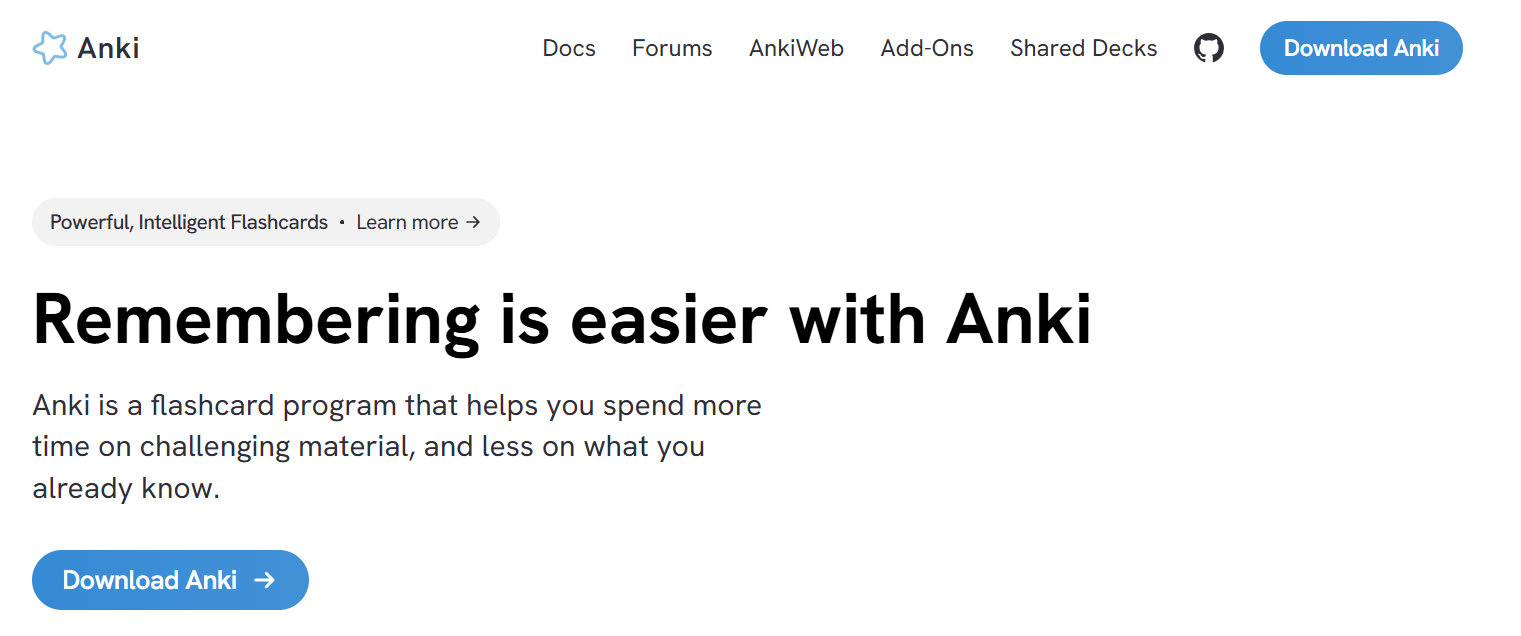
Anki offers deep customization and a strong algorithm, but it requires significant setup and deck maintenance.
Great if you enjoy managing your own system and want full control.
3. Quizlet — Best for Classroom Use
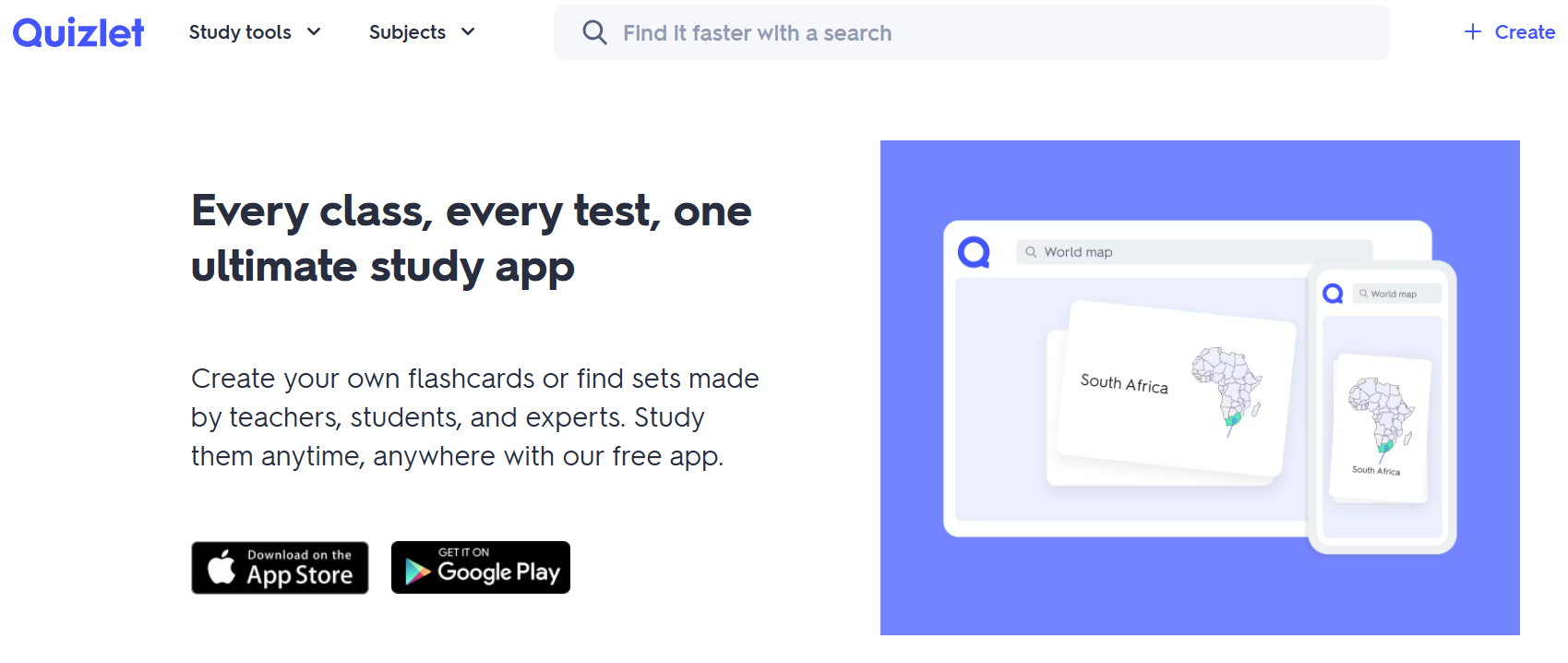
Quizlet is easy to use and has a huge library of shared sets, making it popular with students.
Its spaced repetition behavior is lighter than more specialized tools.
4. Memrise — Best for Language Learning
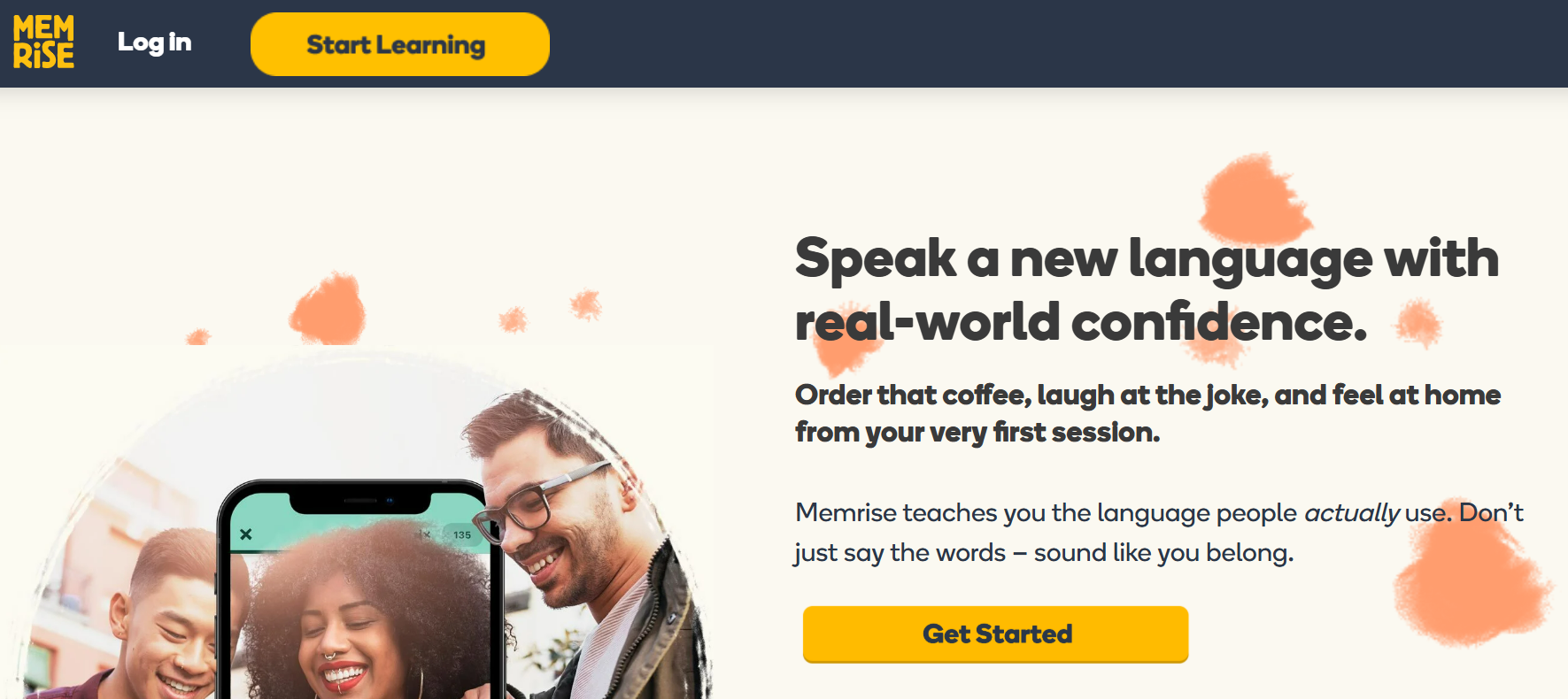
Memrise combines repetition with language immersion and native-speaker content.
It is effective for language goals but less suitable as a general-purpose memory tool.
5. SuperMemo — Best for Advanced Experimenters
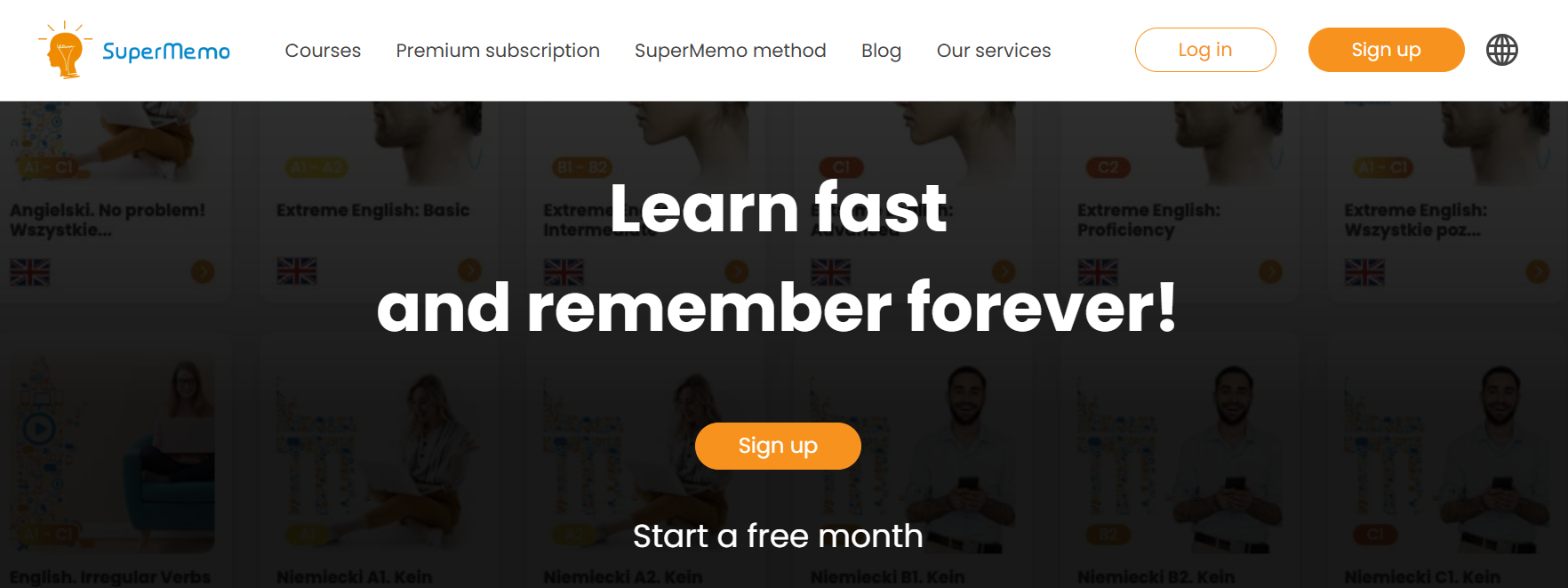
SuperMemo is historically important and algorithmically sophisticated, but the learning curve is steep.
Best for users who prioritize depth over usability.
Final Verdict
If you want maximum control and do not mind setup, Anki remains strong.
If you want the fastest path to consistent spaced repetition from real study material, Revu is the most practical option for most learners.